
Embedded Systems Syllabus: VxWorks RTOS and ARM Experiment Guide
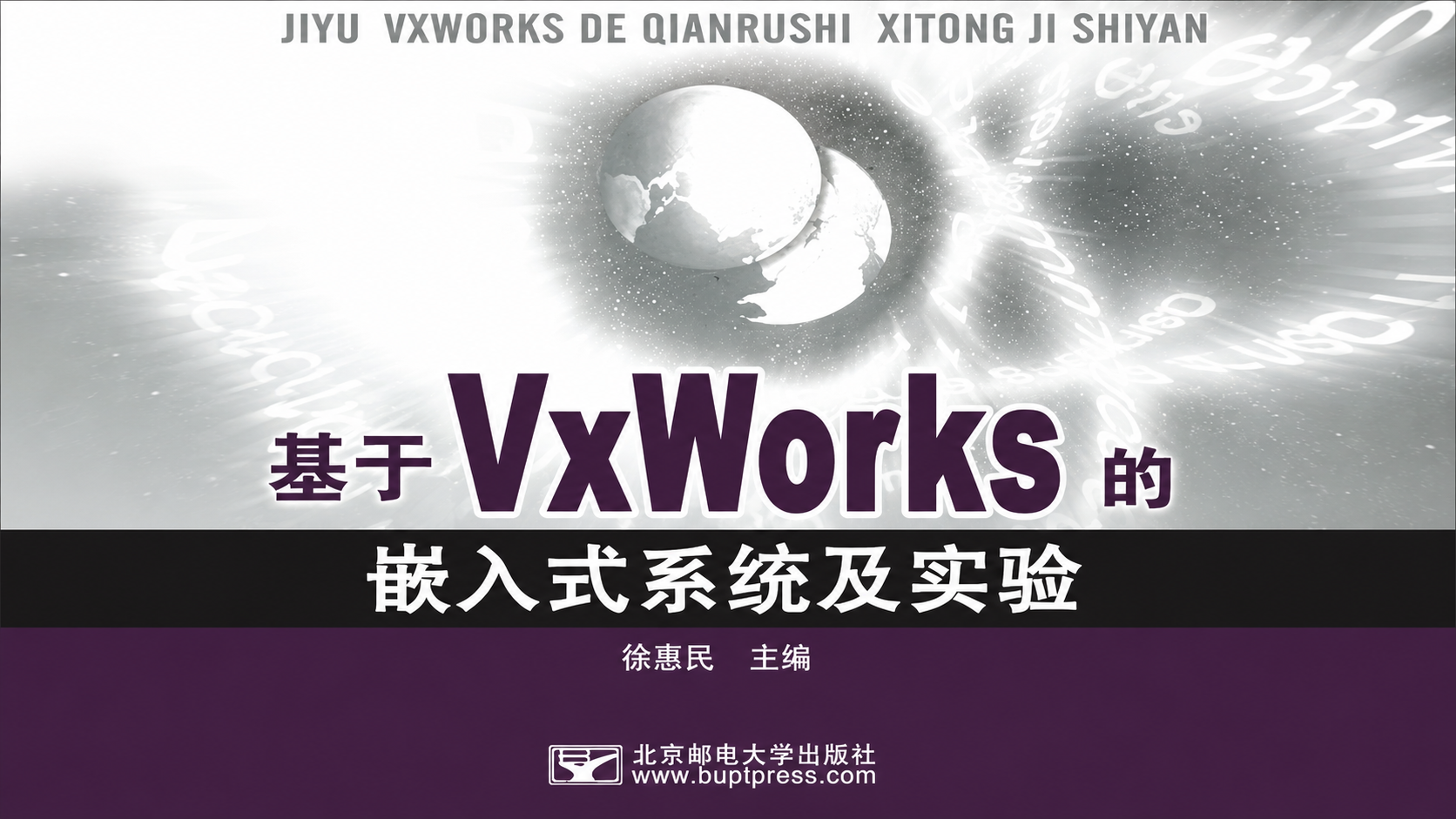
🧭 Course Overview: Real-Time Embedded Systems with VxWorks #
This syllabus outlines a structured learning path for mastering real-time embedded systems development using the VxWorks RTOS and ARM-based hardware platforms.
The curriculum emphasizes low-level system design, deterministic scheduling, hardware interaction, and kernel-level programming concepts commonly used in industrial and aerospace embedded systems.
📚 Embedded Systems Foundation #
Core concepts and system principles #
Embedded systems are defined by their tight coupling between software and hardware, with strict constraints on timing, memory, and determinism.
Key focus areas include:
- System resource optimization under constraints
- Real-time responsiveness and predictability
- Hardware-software co-design principles
- Application-specific system architectures
⏱ Real-Time Operating Systems (RTOS) #
Theory and scheduling fundamentals #
Real-time systems prioritize deterministic execution over throughput.
Core RTOS concepts covered in this syllabus include:
- Task lifecycle management
- Scheduling algorithms (priority-based preemptive models)
- Mutual exclusion and synchronization mechanisms
- Deadlock detection and avoidance strategies
- Real-time performance evaluation metrics
These concepts form the foundation for understanding how VxWorks manages concurrent workloads.
🧠 ARM Architecture and Hardware Fundamentals #
Embedded processor design and instruction models #
The hardware section focuses on ARM-based embedded platforms, including microcontroller-level implementation details.
Key topics include:
- ARM architecture design principles
- Thumb and ARM instruction sets
- Low-level assembly programming
- Microcontroller implementation (e.g., S3C4620B class systems)
This layer bridges software execution models with physical hardware behavior.
⚙️ VxWorks RTOS Architecture #
Kernel structure and system services #
VxWorks is a monolithic real-time operating system widely used in mission-critical environments.
Core system components include:
- Multitasking kernel and lifecycle states
- Inter-process communication (semaphores, message queues, pipes)
- Memory management and allocation strategies
- Interrupt service routines (ISR) and exception handling
- System timing, watchdogs, and clock management
- I/O subsystem driver architecture
- File systems (dosFs, hrFs)
This module provides a deep understanding of deterministic system behavior under load.
🧪 Development Environment and Toolchains #
Legacy embedded development workflow #
Practical development exercises utilize traditional embedded toolchains and hardware kits.
Key environments include:
- Tornado IDE for VxWorks development
- IRDC05v3 embedded experimental platform
- Cross-compilation and deployment workflows
- Debugging and system-level tracing tools
🧰 Experimental Modules and Lab Work #
Kernel-level and system-level programming practice #
Hands-on experiments focus on core RTOS mechanisms:
- Task creation and scheduling behavior
- Context switching analysis
- Semaphore and mutex synchronization problems
- Producer–consumer and inter-task communication models
- Real-time constraint enforcement in embedded workloads
These exercises reinforce theoretical concepts through direct kernel interaction.
🔧 Advanced Embedded System Engineering #
Driver development and system optimization #
Advanced modules extend into real-world embedded system engineering scenarios:
- Custom hardware driver development
- Network stack integration in embedded environments
- System performance tuning and optimization
- Low-level interrupt and memory management control
These topics prepare learners for industrial-grade embedded system development.
🧩 Conclusion: Building Industrial RTOS Competence #
This syllabus provides a structured pathway from foundational embedded system theory to advanced VxWorks-based engineering practice.
By integrating ARM architecture knowledge with RTOS kernel design and hands-on experimentation, learners develop the skill set required for high-reliability embedded system development in aerospace, automotive, and industrial domains.