Embedded Real Time System Design Based on VxWorks

📖 Book Overview #
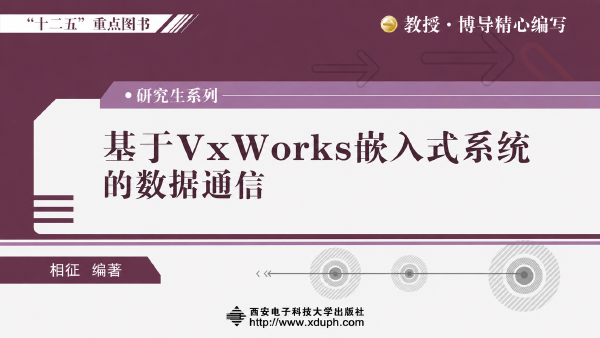
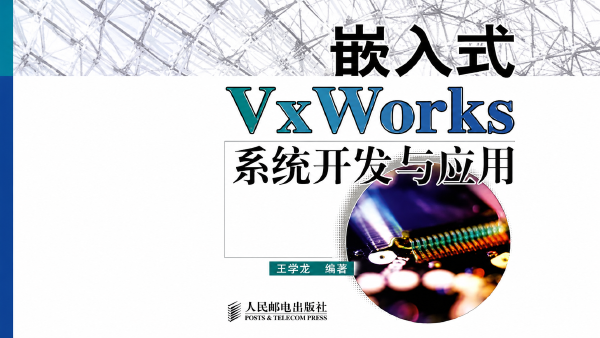
Embedded Real-Time System Design Based on VxWorks provides a structured introduction to embedded systems using Wind River’s VxWorks real-time operating system as the primary development platform.
The book combines embedded system theory with practical engineering implementation, covering:
- Embedded system architecture
- VxWorks kernel mechanisms
- Task management and synchronization
- BSP development
- Network programming
- Tornado development tools
- ARM-based hardware platforms
- Device driver development
- VxWorks operating system porting
Unlike many introductory embedded textbooks, this book places significant emphasis on practical implementation details and low-level system development. It bridges the gap between operating system theory and real-world embedded product development.
🎯 Intended Audience #
This book is suitable for:
- Embedded software engineers
- VxWorks application developers
- BSP developers
- RTOS learners
- Graduate students in communications and electronics
- Senior undergraduate students studying embedded systems
- Engineers transitioning into embedded Linux or RTOS development
It is particularly valuable for readers seeking a deeper understanding of how operating systems interact with hardware at the BSP and driver layers.
✍️ Why This Book Matters #
Although originally written during the VxWorks 5.x/6.x era, many of the concepts remain highly relevant:
- Real-time task scheduling
- Inter-task communication
- Interrupt handling
- BSP architecture
- Device driver design
- TCP/IP stack configuration
- Embedded networking
Modern VxWorks 7 developers can still benefit from the design methodologies and architectural principles presented throughout the text.
📚 Chapter Highlights #
🚀 Chapter 1: Introduction to Embedded Systems #
The opening chapter establishes the foundation of embedded system design.
Topics include:
- Embedded system concepts
- Historical evolution
- Hardware architecture
- Embedded processors
- Embedded peripherals
- Application software
- Embedded operating systems
- Major RTOS platforms
- Industrial application areas
This chapter helps readers understand where VxWorks fits within the broader embedded ecosystem.
⚙️ Chapter 2: VxWorks Real-Time Operating System #
The largest chapter in the book provides a comprehensive introduction to VxWorks internals.
Key topics include:
Task Management #
- Multitasking architecture
- Task scheduling
- Task state transitions
- Task control functions
- Exception handling
Inter-Task Communication #
- Semaphores
- Message queues
- Pipes
- Signals
- Network-based communication
Events #
Coverage includes both:
- pSOS-compatible events
- Native VxWorks events
File Systems #
Readers are introduced to several VxWorks file systems:
- dosFs
- rawFs
- tapeFs
- cdromFs
- TSFS
Timing and Interrupts #
Topics include:
- Watchdog timers
- Interrupt service routines
- POSIX timers
- Memory locking
C++ Development #
The chapter concludes with practical guidance on:
- GNU C++
- Diab C++
- Static object initialization
- C++ runtime libraries
This section remains useful for developers building object-oriented VxWorks applications.
🛠️ Chapter 3: Tornado Development Environment #
This chapter introduces the classic Tornado development suite.
Coverage includes:
Development Environment #
- Host-target architecture
- Target environments
- Development workflows
Project Development #
Readers learn how to:
- Create projects
- Build applications
- Generate bootable images
- Configure communication interfaces
Development Tools #
The chapter explores:
- Shell
- Debugger
- Browser
- Target Server
VxSim Simulator #
Coverage includes:
- Simulator architecture
- Application testing
- Full-system simulation
Although Tornado has been replaced by newer tools, engineers maintaining legacy systems will find this material valuable.
🧱 Chapter 4: BSP Fundamentals #
For many VxWorks developers, this is the most important chapter in the book.
Topics include:
BSP Architecture #
Coverage includes:
- BSP organization
- Source file structure
- Build systems
- Required and optional functions
Boot Process #
Readers learn:
- VxWorks startup sequence
- Initialization routines
- Boot-related files
BSP Development #
The chapter walks through:
- Environment setup
- BSP implementation
- Kernel builds
- Debugging procedures
Component Development #
Topics include:
- Component Description Language (CDL)
- Component creation
- System integration
Hardware Design #
Guidelines cover:
- Processor architecture
- Memory subsystems
- Bus design
- Device integration
Driver Development #
The final section discusses:
- Driver architecture
- Development methodology
- Cache coherency considerations
This chapter provides a strong foundation for anyone developing custom VxWorks platforms.
🌐 Chapter 5: Network Programming #
One of the strongest sections of the book focuses on networking.
Network Stack Architecture #
Topics include:
- VxWorks networking framework
- Protocol support
- Network utilities
Driver Support #
Coverage includes:
- Ethernet drivers
- Shared-memory networking
- Driver interfaces
TCP/IP Configuration #
Readers learn how to:
- Configure network stacks
- Initialize protocols
- Enable remote access services
Socket Programming #
Both interfaces are covered:
- BSD Sockets
- ZBUF Sockets
The chapter serves as a practical introduction to network-enabled embedded systems.
🔧 Chapter 6: S3C4510 Development Platform #
The final chapter presents a complete ARM-based implementation example.
Hardware Platform #
Topics include:
- Samsung S3C4510 architecture
- Processor features
- Development board design
Development Tools #
Coverage includes:
- JTAG debugging
- ARM ADS development tools
- Hardware debugging techniques
VxWorks Porting #
The chapter walks readers through:
- BSP implementation
- Boot process integration
- Serial driver development
- Ethernet driver development
This real-world case study demonstrates how the concepts presented throughout the book come together in an actual embedded system.
💡 Key Strengths #
Several features make this book stand out.
Comprehensive RTOS Coverage #
The VxWorks chapter provides a thorough explanation of kernel mechanisms and application development techniques.
BSP Development Focus #
Many introductory books avoid BSP topics. This book dedicates significant attention to low-level system development.
Networking Content #
The networking chapter offers practical guidance for building communication-enabled embedded systems.
Complete Hardware Example #
The S3C4510 implementation demonstrates how to port and deploy VxWorks on real hardware.
Strong Educational Structure #
The progression from operating system concepts to BSP implementation and system integration makes the book suitable for classroom instruction and self-study.
⚠️ Historical Context #
Readers should keep several points in mind:
- The book focuses on Tornado rather than modern Workbench tools.
- Examples target older ARM processors.
- Some networking APIs have evolved in newer VxWorks releases.
- Component frameworks differ in VxWorks 7.
Despite these differences, the underlying RTOS concepts remain highly applicable.
📋 Table of Contents #
Chapter 1 — Introduction #
1.1 Overview of Embedded Systems
1.2 History of Embedded Systems Development
1.3 Architecture of Embedded Systems
1.4 Typical Embedded Operating Systems
1.5 Application Areas
Chapter 2 — VxWorks Real-Time Operating System #
2.1 Introduction
2.2 Tasks and Inter-Task Communication
2.3 Events
2.4 File Systems
2.5 Interrupts and Timing
2.6 Target Tools
2.7 C++ Development
Chapter 3 — Tornado Development Environment #
3.1 Tornado Overview
3.2 Installation and Startup
3.3 Project Development
3.4 Target Server
3.5 Host Tools
3.6 VxSim Simulator
Chapter 4 — BSP Fundamentals #
4.1 BSP Introduction
4.2 BSP Structure
4.3 Boot Sequence
4.4 BSP Creation
4.5 Components
4.6 Hardware Design
4.7 Driver Development
Chapter 5 — Network Programming #
5.1 Introduction
5.2 Network Stack
5.3 Data Link Layer
5.4 Network Configuration
5.5 Socket Programming
Chapter 6 — S3C4510 Development Platform #
6.1 S3C4510 Architecture
6.2 Development Platform
6.3 Debugging Environment
6.4 VxWorks Porting
🏁 Final Thoughts #
Embedded Real-Time System Design Based on VxWorks serves as both an academic textbook and a practical engineering reference. Its combination of RTOS theory, BSP development, networking, and ARM platform implementation provides readers with a complete view of embedded system development using VxWorks.
For engineers interested in understanding how a commercial RTOS interacts with hardware, networking stacks, and application software, this book remains a valuable learning resource even years after its original publication.